
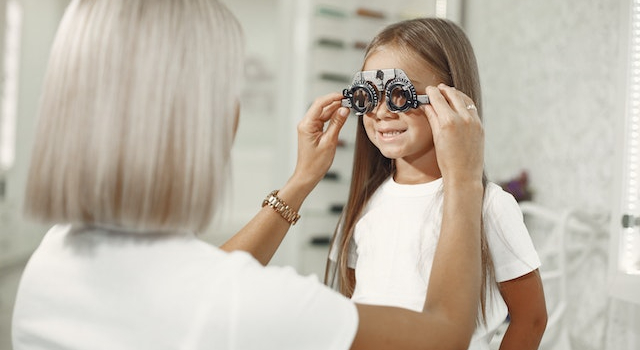
As families prepare for the upcoming school year, it's crucial to recognize the significant role that vision health plays in a child's academic success. At Eye Care One, we understand that clear vision is essential for effective learning and development. This July, we highlight how good vision affects learning. We also explore why regular eye exams are vital for your child's educational journey.
The Importance of Vision Health in Learning
Vision is a critical component of the learning process. Good vision is fundamental for academic achievement, as approximately 80% of what children learn in school is visual.
When children struggle with vision problems, it can affect their ability to read, write, and participate in classroom activities. Here are some ways vision health impacts learning:
Reading and Writing
Clear vision is essential for reading and writing. Children with uncorrected vision problems may have difficulty seeing the board, reading textbooks, or completing assignments. This can lead to frustration, lower grades, and a lack of confidence.
Concentration and Attention
Vision problems can cause eye strain and headaches. This can make it challenging for children to concentrate and stay focused during lessons. This can result in shorter attention spans and difficulties in following instructions.
Hand-Eye Coordination
Many classroom activities require good hand-eye coordination, such as writing, drawing, and participating in sports. Vision issues can hinder these skills, affecting a child's ability to engage in and enjoy these activities.
Classroom Participation
Children with vision problems may feel embarrassed or self-conscious, leading to decreased participation in classroom discussions and activities. This can impact their social interactions and overall school experience.
Common Vision Problems in Children
Several vision problems can affect a child's learning and development. Some common issues include:
- Nearsightedness (Myopia): Difficulty seeing distant objects clearly, making it hard to see the board or follow along with presentations
- Farsightedness (Hyperopia): Difficulty seeing close-up objects, impacting reading and writing activities
- Astigmatism: An irregularly shaped cornea that can cause blurred vision at all distances
- Strabismus: Misalignment of the eyes, often referred to as crossed eyes, which can affect depth perception and binocular vision
- Amblyopia (Lazy Eye): Reduced vision in one eye, which can lead to difficulties with reading and depth perception
- Dry Eye: Although commonly associated with adults, dry eye can also affect children, causing discomfort and distractions during learning activities
The Connection Between Vision and Academic Success
When individuals do not address vision problems, they can experience a range of academic challenges. Children may struggle to keep up with their peers, experience lower self-esteem, and become disengaged from school.
Regular comprehensive eye exams are essential for early detection and treatment of vision issues. These exams ensure children have the visual tools they need for academic success.
- Early Detection and Intervention: Regular eye exams can identify vision problems before they become significant obstacles. Early intervention can prevent long-term academic struggles and support a child's learning and development.
- Personalized Treatment Plans: If an optometrist detects a vision problem, they can create a customized treatment plan. This may include prescription glasses, contact lenses, or vision therapy to address specific needs and improve visual function.
- Support for Learning: Clear vision enhances a child's ability to read, write, and engage in classroom activities. This leads to better academic performance and a more positive school experience.
Signs Your Child May Need an Eye Exam
Parents need to be aware of signs that may indicate a vision problem. These include:
- Squinting or tilting the head to see better
- Frequent headaches or eye strain
- Sitting too close to the TV or holding books too close
- Difficulty reading or following along in school
- Rubbing eyes frequently or complaining of tired eyes
- Poor hand-eye coordination
Request Your Child’s Eye Exam
As you prepare for the new school year, include a comprehensive eye exam in your child's back-to-school checklist. Request an appointment with Eye Care One to ensure your child's vision is ready for academic success.
Our experienced team aims to provide thorough eye exams and personalized care to support your child's eye health.